Five Hook Templates That Stop the Scroll in Under Two Seconds
Learn five specific hook templates designed to capture viewer attention in the crucial first two seconds of a short-form video.
You have two seconds before a viewer swipes away. That brief window dictates whether your content reaches ten people or ten thousand. If your opening fails to grab attention immediately, the rest of your script, your editing, and your lighting setup do not matter. The algorithm registers a swipe as a rejection and stops pushing your video to new feeds. To survive the brutal short-form algorithm, you need five hook templates that stop the scroll in under two seconds.
Creating good hooks requires understanding human psychology. Viewers are in a passive, dopamine-seeking state when they scroll. They are looking for a reason to keep watching, but their default action is to move on. Your job is to interrupt that default action.
Before diving into the templates, you need baseline data. You have to know what your current retention looks like. If you are struggling with low views, your first instinct might be to scrap your account or delete your videos. Read our guide on why you should stop deleting poorly performing videos immediately to understand why keeping those flops is necessary for tracking your hook improvement over time.
Here are five specific structures you can adapt for your next batch of content.
1. The Negative Assumption
People hate making mistakes, and they hate being told they are doing something wrong even more. The Negative Assumption hook plays on loss aversion. When you open a video by directly challenging a common behavior or belief, the viewer pauses. They want to know if they are guilty of the mistake you are pointing out. If they are, they need the solution. If they aren't, they want the satisfaction of being right.
This template requires you to identify a common practice in your niche and immediately label it as incorrect, outdated, or dangerous.
Implementation Checklist
- Identify a widely accepted practice in your industry.
- Formulate a direct statement invalidating that practice.
- Deliver the line with authoritative, slightly urgent energy.
- Ensure the remainder of the video actually explains why it is wrong.
Hook Variations
| Niche | Weak Hook | Negative Assumption Template |
|---|---|---|
| Fitness | Here is how to do a bicep curl. | Stop doing your bicep curls like this if you want your arms to grow. |
| Finance | I want to talk about saving money. | Putting your money in a traditional savings account is making you poorer every day. |
| Tech | Check out this new iPhone feature. | You are absolutely ruining your iPhone battery by charging it overnight. |
| Real Estate | Let's look at buying a house. | Your real estate agent is lying to you about closing costs. |
The effectiveness of this hook relies on the immediate tension it creates. You are starting a mild argument with the viewer. They stick around to see how you defend your position.
2. The Hyper-Specific Number Drop
Vague claims signal low effort and often trigger skepticism. When a viewer hears "how to make a lot of money" or "how to get tons of views," their brain categorizes it as spam. The Hyper-Specific Number Drop hook forces credibility through precision.
Human brains grab onto exact, odd numbers. A hyper-specific number suggests you have actual data backing up your claim. It implies a detailed process rather than a broad generalization.
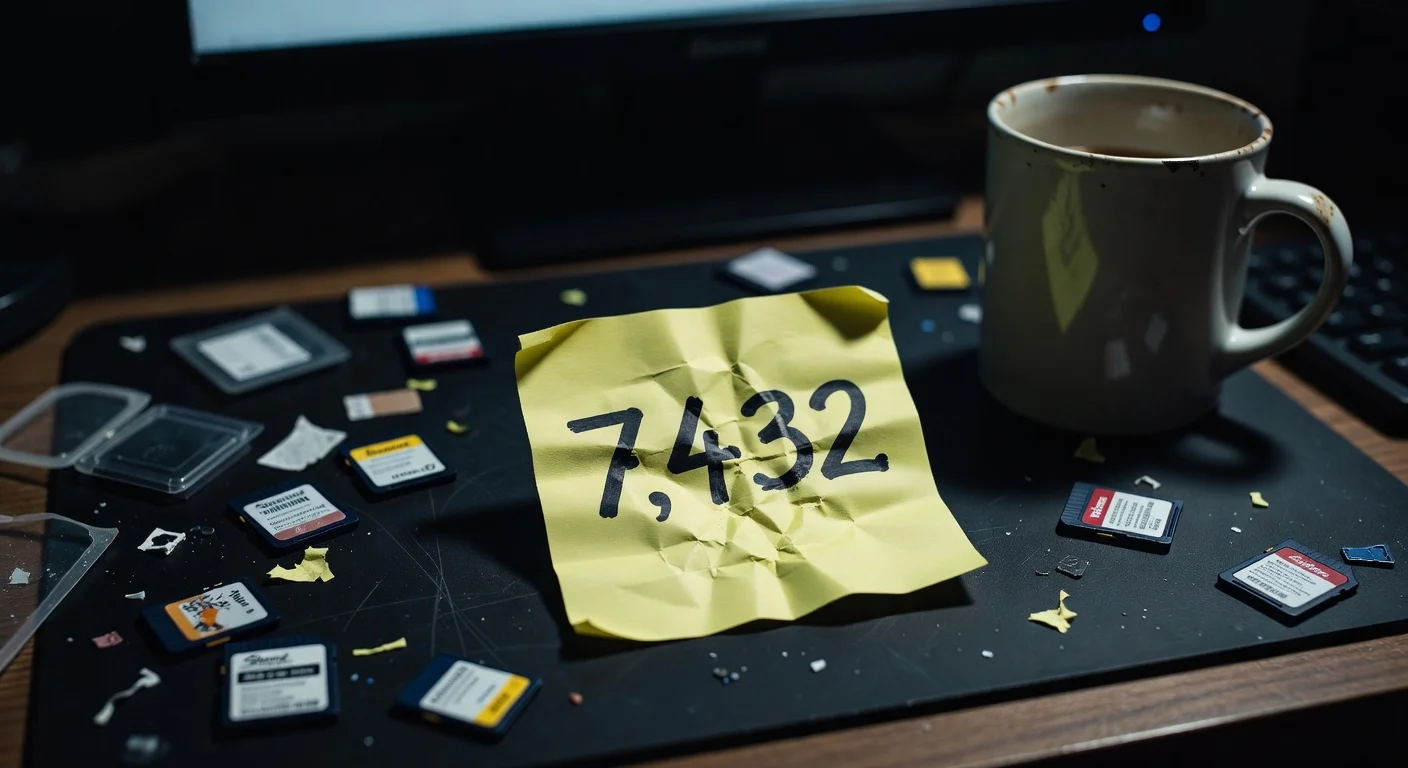
If you are a creator focused on monetization or growth, tracking these exact numbers is a daily requirement. You can use the TikTok Creator Earning Calculator Tool to find exact figures for your own hooks based on current metrics.
Building the Number Hook
The structure usually follows: "How I achieved [Hyper-Specific Number] in [Specific Timeframe]."
- Do not round your numbers. If you gained 1,432 followers, say 1,432, not 1,500.
- Shorten the timeframe to create urgency where possible.
- Pair the number with a highly desirable outcome for your target audience.
Examples:
- "How this one email sequence generated $4,382 in exactly 48 hours."
- "I reviewed 147 resumes yesterday, and 142 of them made this exact formatting mistake."
- "I gained 8,431 followers this week by changing one word in my bio."
If you need to verify your exact follower growth for these types of hooks, you can pull real-time data using the TikTok Follower Count Tool.
3. The "Forbidden" Knowledge Angle
Curiosity is a powerful retention mechanism. The "Forbidden" Knowledge template frames your content as a secret that authority figures, competitors, or corporations are trying to hide. This positions you as an insider sharing privileged information with the viewer.
You do not need actual classified information to use this hook. You just need to reframe industry-standard knowledge that the general public might not fully understand.
Structuring the Secret
You want to establish an "us versus them" dynamic in the first two seconds.
- "The [Industry/Authority] doesn't want you to know about [Tool/Concept]."
- "This is the [Result] strategy that gatekeepers charge thousands for."
- "Why does nobody talk about [Specific Method] for getting [Result]?"
Examples in Practice
| Niche | The "Forbidden" Hook | The Reality (What you deliver) |
|---|---|---|
| Skincare | The dermatology industry hopes you never find out about this $5 acid. | Explaining the benefits of generic salicylic acid over brand names. |
| Software | Adobe is terrified of this free browser-based design tool. | A standard tutorial on using Figma or Canva for basic graphic design. |
| Job Hunting | Recruiters actively try to hide this negotiation tactic from you. | Basic advice on asking for a sign-on bonus instead of base salary. |
This hook relies heavily on delivery. You need to speak as if you are sharing a confidence. Lower your voice slightly, lean into the camera, and cut out any dead air before the first word.
4. The Visual Pattern Interrupt
Words alone sometimes fail to stop the scroll. The Visual Pattern Interrupt relies on an immediate, unexpected physical action on screen to hijack the viewer's attention before they even process the audio.
Most short-form content looks exactly the same: a person sitting in a car, or standing in front of a ring light, talking directly into the lens. Breaking that visual monotony buys you the two seconds you need to deliver your verbal hook.

Types of Visual Interrupts
- The Drop: Dropping a physical object onto a desk or the floor right as the video starts.
- The Reveal: Covering the lens with your hand and pulling it away on the first beat of audio.
- The Mid-Action Start: Starting the video while you are already in the middle of an action, like walking through a doorway, typing aggressively, or wiping down a whiteboard.
- The Prop: Holding an object that has nothing to do with the expected topic of your video.
You want to pair the visual interrupt with tight editing. If you struggle with keeping the momentum going after the initial visual hook, you need to study timeline mechanics. Review these 14 micro-cut transitions that keep completion rates above 60 percent to understand how to carry the energy from your visual hook through the rest of the video.
5. The Desired State + Unlikely Method
This template creates a gap in the viewer's understanding. You present a highly desirable end goal, and then you attach it to a method or tool that seems completely unrelated or counterintuitive. The viewer has to watch to find out how A connects to B.
This requires you to look at your process and find the weirdest, most mundane, or most unexpected element that contributes to your success.
Constructing the Gap
The contrast between the goal and the method is what generates the hook. If the method makes logical sense immediately, the hook fails.
- "How I use [Unlikely Method] to achieve [Desired State]."
- "The secret to [Desired State] is actually [Unlikely Method]."
Real-World Applications
| Desired State | Unlikely Method | The Hook |
|---|---|---|
| Getting better sleep | A roll of surgical tape | The secret to deep, uninterrupted sleep is a $2 roll of surgical tape. |
| Writing viral scripts | A kitchen timer | I use a cheap kitchen timer to write scripts that get millions of views. |
| Fixing posture | A tennis ball | You can fix years of bad desk posture with a single tennis ball. |
Once you deliver this hook, you have to close the gap you created. This ties directly into advanced scripting techniques. If you want to master how to structure the payoff for this kind of hook, read our breakdown on scripting for retentive attention using the narrative open loop strategy.
Measuring Hook Success
Writing a good hook is a hypothesis. The analytics provide the actual answer. You cannot rely on gut feeling to determine if a hook worked; you have to look at the retention graph and the engagement data.
Analyzing the Retention Curve
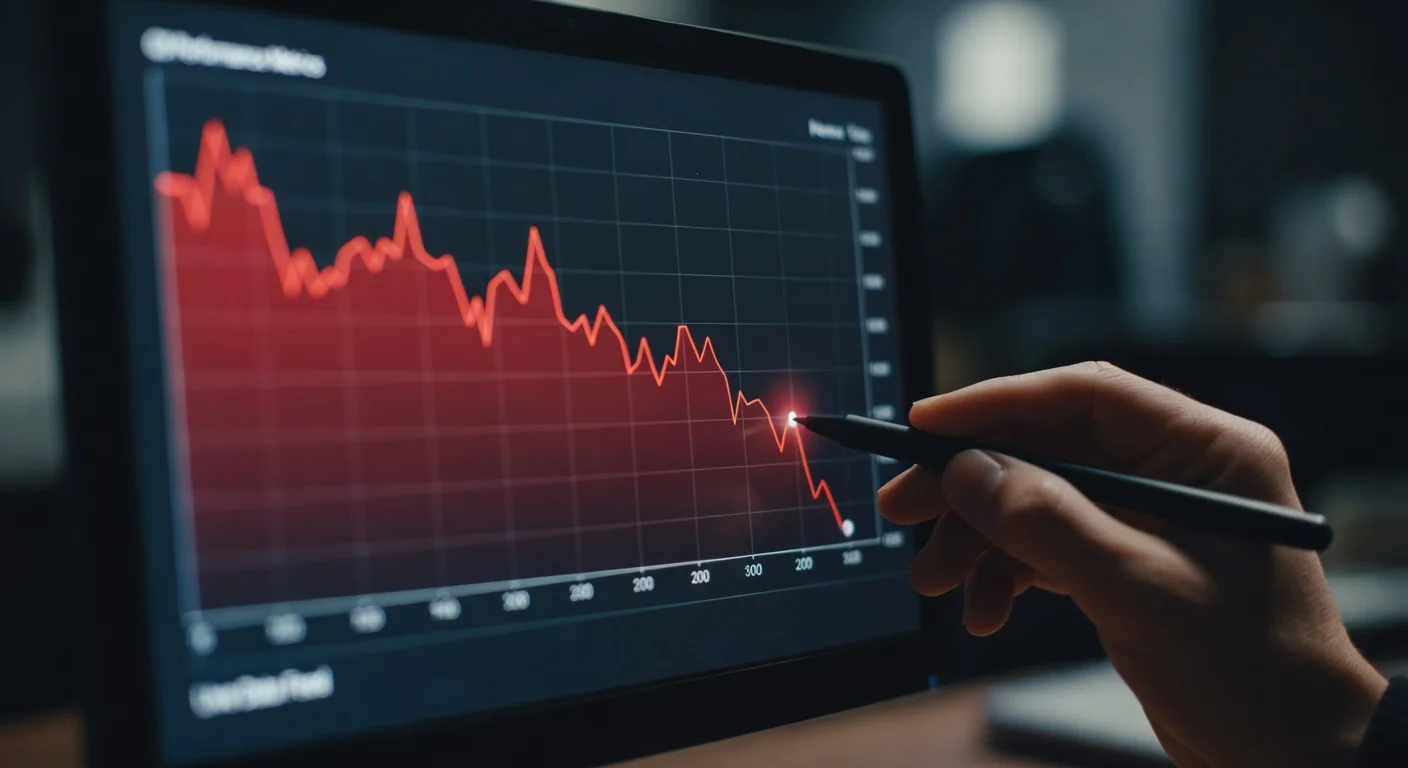
Open the analytics for your recent videos and look at the retention curve. You are looking specifically at the drop-off between the 0-second mark and the 3-second mark.
- A strong hook: Retains 70% or more of viewers past the 3-second mark.
- An average hook: Retains 50% to 60% of viewers.
- A failing hook: Retains less than 40% of viewers. The scroll was not stopped.
If your retention curve looks like a cliff face in the first three seconds, your delivery, pacing, or hook script needs immediate revision.
Tracking Engagement Metrics
A hook might stop the scroll, but does it drive interaction? Sometimes a hook is so aggressive or confusing that people stay to watch out of shock, but they do not engage with the content positively. You need to measure the ratio of views to actual engagement.
Use the TikTok Creator Engagement Calculator Tool to punch in your video data. It will give you a clear percentage of how your audience is reacting. Compare the engagement rates of videos using the Negative Assumption hook versus the Hyper-Specific Number Drop hook. You will likely find that your specific audience responds better to one style over the others.
If you are testing hooks during a live stream — for example, trying different opening statements when you push a stream to the For You Page — you need real-time data to see what causes viewer spikes. The TikTok Live Video Views Counter Tool allows you to monitor those sudden influxes of traffic so you can tie them back to the exact physical action or phrase you used at that moment.
Iterating on Your Hook Scripts
Do not write your hook right before you hit record. The hook requires more drafting and revision than the entire rest of your script combined.
Write out ten different variations of your hook before you settle on one. Try forcing the same core idea into all five templates listed above. You will often find that the concept you thought worked best as a "Forbidden Knowledge" angle actually hits much harder as a "Negative Assumption."
Test these formats. Track the retention data. Discard the variations that fail to hold that crucial 70% retention line at the three-second mark, and double down on the structures that consistently buy you the time you need to deliver your message.

Written by
Olivia Miller
Four years managing TikTok accounts for small and mid-sized creators. Five clients past a million followers, a few past five.
More from Olivia