5 Specific Lighting Setups to Mimic Natural Sunlight in a Basement Office
Learn how to transform a dark, windowless workspace using these five practical lighting setups to mimic natural sunlight in a basement office.
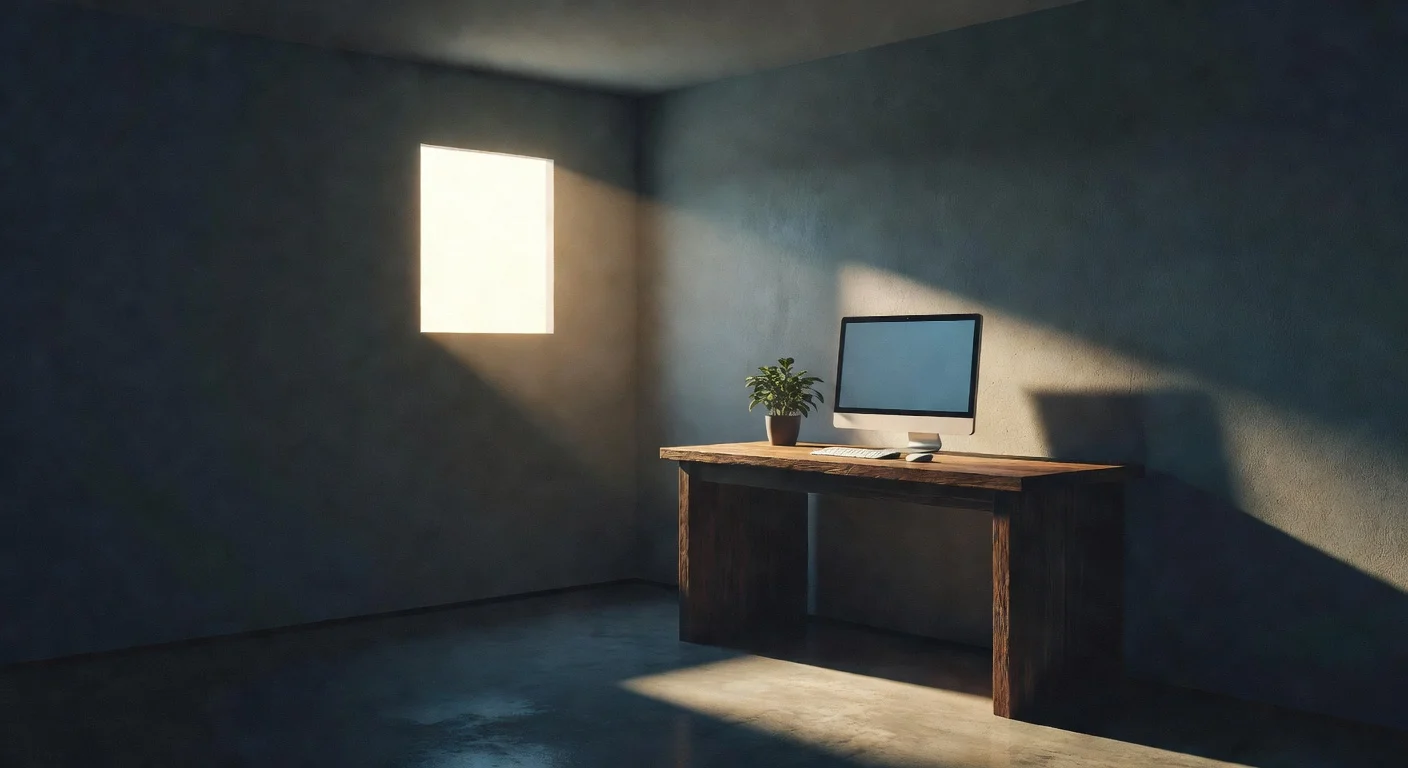
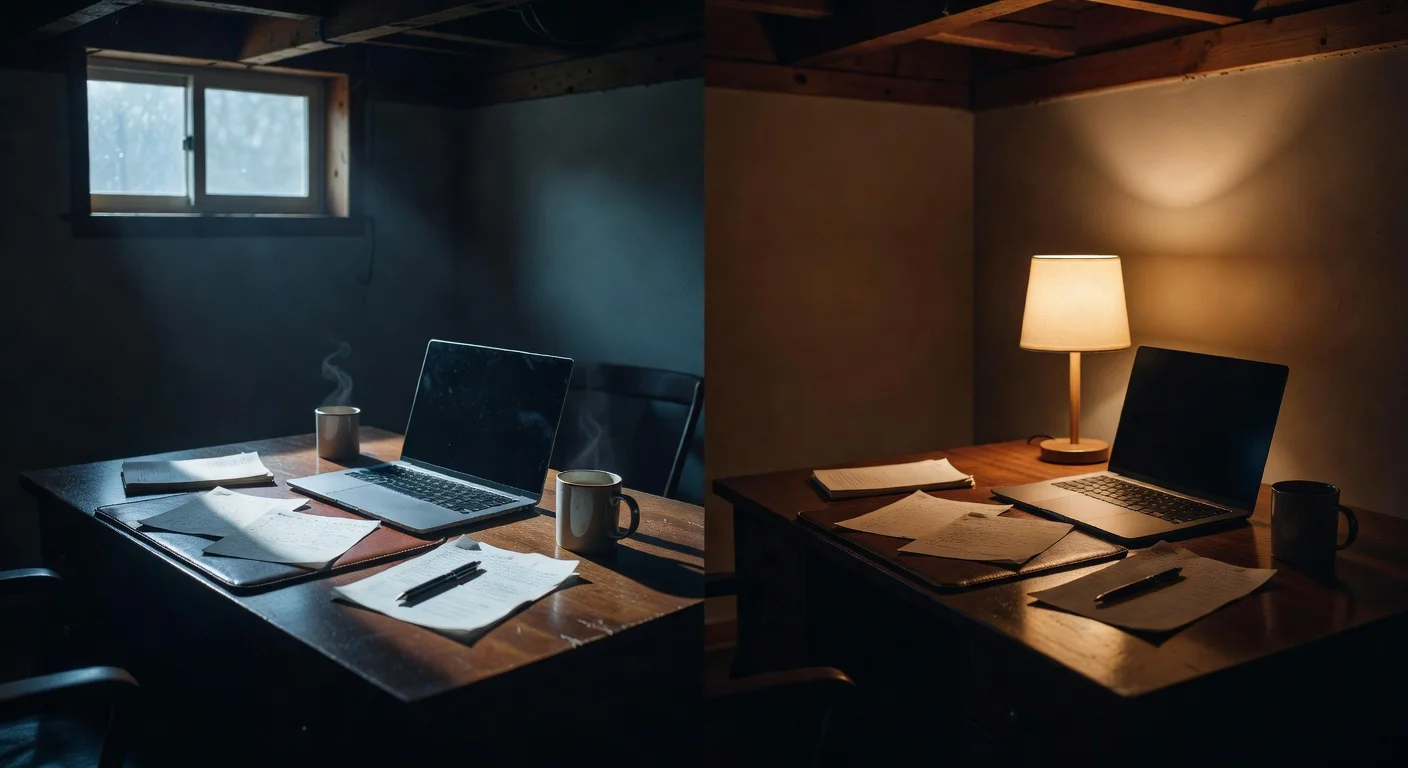
Working in a room with no windows takes a toll on your energy. You walk down the stairs at 8 AM, and by noon, your body has no idea what time it is. The standard overhead light bulb in most basements casts harsh shadows and makes the space feel like a cave. If you want to stay productive and keep your sanity, you need specific lighting setups to mimic natural sunlight in a basement office.
Slapping a "daylight" bulb into a desk lamp will not fix the problem. Natural sunlight is complex. It bounces off walls, fills the space evenly, and changes color temperature throughout the day. To recreate this indoors, you have to understand how light behaves and use the right combination of fixtures, diffusion, and placement.
This guide breaks down five distinct, practical ways to light a basement office so it feels like a bright, above-ground room.
The Science of Faking Sunlight
Before buying any equipment, you need to understand three biological and technical realities of light. Without these basics, you will waste money on fixtures that make your office look like a hospital corridor instead of a sunroom.
Color Temperature (Kelvin)
Light color is measured in Kelvin (K). A standard warm incandescent bulb is around 2700K. It looks orange and cozy. An overcast sky is around 6500K, which looks very blue. Direct mid-day sunlight falls right around 5500K to 5600K. If you want to mimic natural sunlight, your primary light sources need to sit in that 5000K to 5600K range.
Color Rendering Index (CRI)
CRI measures how accurately a light source reveals the true colors of objects compared to a natural light source. The scale goes up to 100. Cheap LED bulbs often have a CRI of 70 or 80. Under these lights, skin looks green, and wood looks dull. The sun has a CRI of 100. Always look for bulbs and LED panels with a CRI of 95 or higher. High CRI lighting tricks your brain into accepting the light as natural.
Diffusion and Bounce
The sun is a single, massive light source. By the time sunlight enters a living room window, it has passed through the atmosphere, bounced off the ground outside, and scattered through the glass. It becomes soft. Pointing a bare 5500K bulb directly at your face will just give you a headache. You must diffuse your light sources or bounce them off walls to soften the shadows.
Setup 1: The Faux Window Build
The most direct way to fake natural light is to build a fake window. This setup requires some DIY effort, but it provides the most convincing psychological effect. You are giving your eyes a bright, diffused square to look at, which mimics the experience of sitting next to a real window.
The Gear You Need
You need a large LED flat panel light. Look for edge-lit LED panels designed for drop ceilings (commonly in 2x2 or 2x4 foot sizes). Make sure they are dimmable and rated at 5000K. You will also need a sheer white curtain, a curtain rod, and basic mounting hardware.
The Installation Process
Mount the LED panel directly to your wall at the height a normal window would sit. Keep it positioned to the side of your desk, not directly behind your monitors, to avoid glare.
Once the panel is mounted, install the curtain rod a few inches above it. Hang the sheer white curtains so they drape over the LED panel. The fabric acts as a massive diffuser. When you turn the panel on, the sharp edges of the fixture disappear behind the glowing fabric. It looks exactly like sunlight filtering through a closed curtain on a bright day.
Who It's Best For
This setup works perfectly for people who feel claustrophobic in small basement rooms. The glowing curtain provides a visual escape. It also creates excellent, soft side-lighting for video calls.
Setup 2: The High-Output Ceiling Wash
Most basement ceilings are low. Standard downward-facing lights create harsh, unflattering pools of light on the floor and leave the upper half of the walls in shadow. A ceiling wash flips this dynamic. By bouncing powerful light off the ceiling, you turn the entire top of the room into one giant, soft light source.
The Gear You Need
You need high-output LED strip lights or heavy-duty smart light bars. Do not buy cheap, low-lumen decorative strips. Look for ultra-bright, high-CRI COB (Chip on Board) LED strips that output at least 1500 lumens per meter. You will also need aluminum mounting channels to dissipate the heat.
The Installation Process
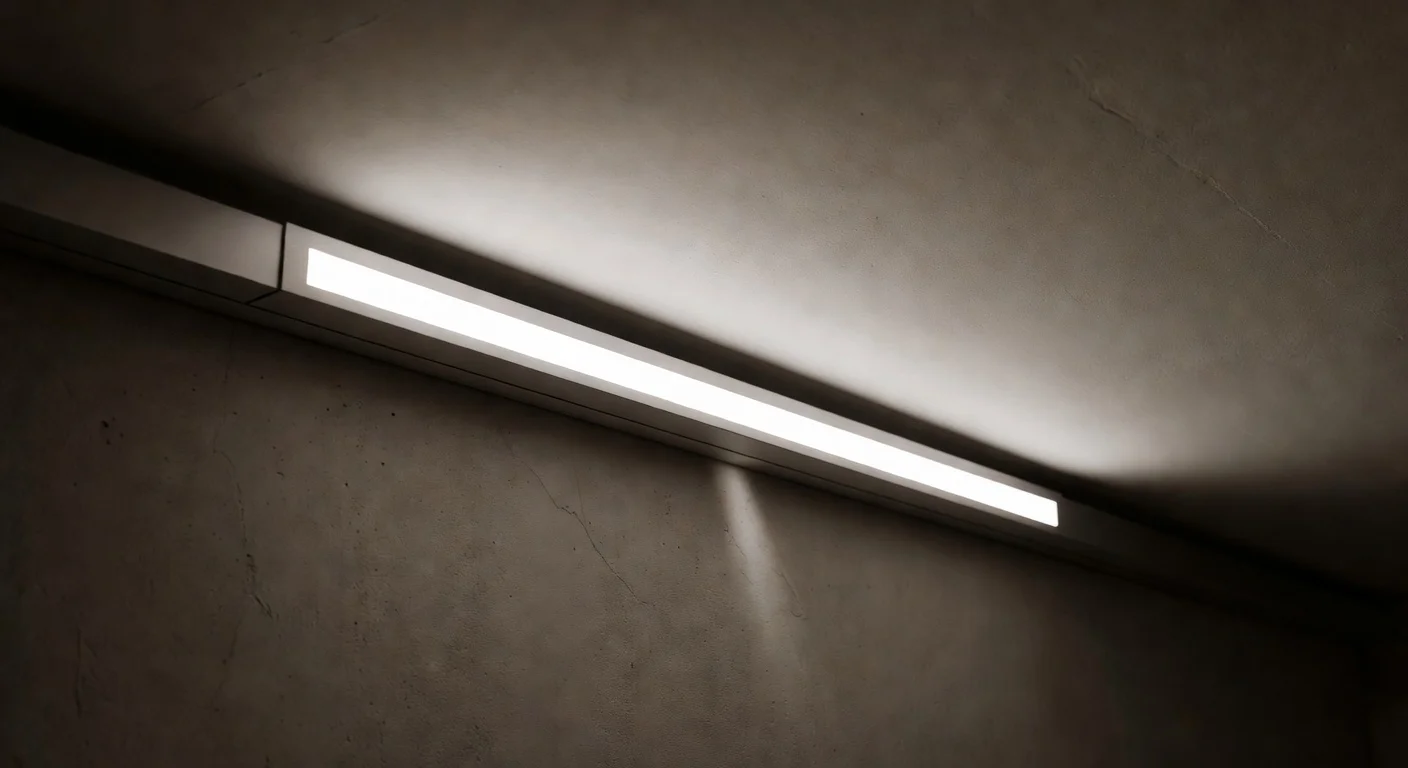
Mount the aluminum channels along the top perimeter of your walls, about six inches below the ceiling line. Angle them slightly upward. Install the LED strips inside the channels pointing directly at the ceiling.
When you turn these on, the light hits the ceiling and scatters downward. This completely eliminates harsh shadows. The room fills with an ambient, even glow that feels remarkably similar to the ambient light in a room with large skylights.
Who It's Best For
If you do detail-oriented physical work at your desk—like drafting, painting, or assembling electronics—this is the setup for you. The shadowless environment reduces eye strain significantly. You will stop squinting at your desk.
Setup 3: The Content Creator's Hub
If you make videos, stream, or spend six hours a day on Zoom, standard room lighting will not cut it. Basement lighting often looks terrible on camera because the light lacks direction. You need a setup that mimics sunlight for the room while specifically lighting you for an audience.
Many creators understand that good content relies on good visuals. You can read more about how Why Low-Fi Production Outperforms Your Multi-Million Dollar Studio, but low-fi production still requires adequate lighting so the camera sensor doesn't produce grainy, unusable footage.
The Gear You Need
You need a primary key light (a COB LED video light with a large softbox), a secondary fill light, and a practical background light. The key light should be set to 5600K to simulate a window.
The Installation Process
Position the key light at a 45-degree angle to your desk. The large softbox is non-negotiable; a bare video light is too harsh. Place the softbox as close to you as possible without getting it in the camera frame. The closer the light, the softer the shadows on your face.
Use a smaller fill light on the opposite side, bounced off the wall, to lift the shadows slightly. Finally, add a warm practical light—like a small desk lamp with a standard 2700K bulb—in the background. The contrast between the cool "sunlight" on your face and the warm bulb in the background creates depth, making the basement look like a high-end office.
If you are a TikTok creator broadcasting live from a basement, this setup is mandatory. Viewers scroll past dark, grainy streams instantly. Good lighting holds attention. If you are actively tracking your audience growth during these broadcasts, you can use the TikTok Live Follower Comparison tool to see how your viewership stacks up against competitors in real time. Better lighting directly correlates to better viewer retention, a concept explored in these 10 TikTok Live Strategies to Turn Viewers Into Loyal Followers.
Who It's Best For
Streamers, remote sales professionals, and content creators. Anyone who needs to look professional on a webcam needs directional, controlled lighting that mimics a window sitting right next to their monitor.
Setup 4: The Dynamic Circadian System
The biggest problem with a windowless office is the disruption to your internal body clock. If your lights stay at a crisp 5500K all day and night, your brain will not produce melatonin. You will leave the basement at 7 PM feeling wired and unable to sleep. A circadian setup automates color temperature changes throughout the day to mimic the sun's natural progression.
The Gear You Need
You need an ecosystem of smart bulbs and smart panels. Philips Hue, LIFX, and Nanoleaf all offer products capable of high-CRI tunable white light. You will also need a smart home hub (like Apple HomeKit or Google Home) to run the automation schedules.
The Installation Process
Replace all overhead bulbs and desk lamps with tunable smart bulbs. Set up an automation routine in your smart home app.
Program the lights to turn on at 3000K (warm yellow) when you start work in the morning, mimicking a sunrise. Over the next two hours, have the lights slowly transition to 5500K (cool white) and increase to maximum brightness. This tells your brain it is mid-day and keeps you alert.
At 4:00 PM, program the lights to begin dimming and shifting back toward 3000K. By 6:00 PM, the lights should be a warm, dim orange. This physical cue tells your body the workday is ending and the sun is setting.
Who It's Best For
People who work long, irregular hours in their basement office. If you struggle with energy crashes in the afternoon or insomnia at night, automating your light to follow the real sun will fix your sleep schedule.
Setup 5: The Hybrid Natural Reflection
Sometimes you don't need to fake the sun entirely; you just need to steal it from another room. If your basement has a small egress window, a stairwell that gets light, or a tiny glass block window, you can use physical routing to pull that natural light into your workspace.
The Gear You Need
You need large, high-quality mirrors. Avoid cheap, warped plastic mirrors. You want flat, clear glass. You will also need bright white, high-LRV (Light Reflectance Value) paint for your walls.
The Installation Process
First, paint the basement walls a stark, bright white. Look for a paint with an LRV of 80 or higher. This ensures that every photon of light that enters the room bounces around instead of being absorbed by dark drywall.
Next, find the source of natural light, even if it is out in the hallway at the top of the stairs. Position a large mirror to catch that light and angle it toward your office door. Place a second mirror inside your office to catch the reflection from the first mirror. You are essentially building a basic periscope for sunlight.
Combine this reflection technique with a few strategically placed 5000K LED bulbs pointing at the ceiling. The mixture of actual, routed sunlight and supplemental daylight LEDs creates a highly convincing natural environment.
Who It's Best For
Anyone with a basement that gets a tiny sliver of natural light in a useless area (like a laundry room or high stairwell). It requires specific floor plans, but it uses zero electricity during the day.
Maximizing Your Lighting Setup
Once you choose a lighting strategy, you have to support it with the right environmental choices. Light does not exist in a vacuum. It interacts with every surface in your office.
Monitor Your Surroundings
If you paint your basement office dark gray, no amount of lighting will make it feel like a sunroom. Dark colors absorb light. Stick to whites, light creams, and pale yellows. Avoid high-gloss paint, which creates nasty glare from LED panels; use an eggshell or matte finish instead.
Pay attention to your flooring. Dark carpets swallow light. If you are renting and cannot change the floor, buy a large, light-colored area rug to put under your desk. This bounces light back up toward your face, acting as a natural fill light.
Track Your Performance
If you are using your basement office to run a digital business or manage social media accounts, lighting is directly tied to your output quality. When your environment feels good, you work better. Creators who upgrade their lighting often see immediate bumps in video engagement. You can track this metric shift easily. For example, you can monitor an account's overall performance using the TikTok Follower Count Tool to see if your new, well-lit videos are driving faster growth. If you do live sessions, improved visual quality keeps viewers in the room longer. You can check individual video metrics post-stream using the TikTok Live Video Views Counter Tool to find your baseline.
Keep the Fixtures Hidden
Real sunlight comes from outside. When you look around a normal room, you do not see the sun itself; you see the light it casts. Try to hide your light sources. Tuck LED strips behind monitors, place uplights behind large potted plants, and keep raw bulbs out of your direct line of sight. The less technology you see, the more natural the room will feel.
Conclusion
A windowless basement office does not have to feel like a bunker. By treating light as a physical element that you can bounce, diffuse, and control, you can completely change the atmosphere of a room.
Start by understanding color temperature and securing high-CRI fixtures. Then, choose a setup that fits your workflow. Build a faux window for visual relief, wash the ceiling for shadowless ambient light, or set up a smart circadian system to protect your sleep schedule. You don't need a massive budget to fix bad lighting. You just need to stop pointing bare bulbs at your desk and start mimicking the complex, scattered nature of actual sunlight.

Written by
Olivia Miller
Four years managing TikTok accounts for small and mid-sized creators. Five clients past a million followers, a few past five.
More from Olivia